Table Of Content

These days, using patterns and repetition of the same elements is trendy both for print and fashion. To have a perfect emphasis on your design you need to have a clear understanding of what’s important in your composition. Otherwise, your design will be unbalanced and messy, and as a result, it won’t be able to fulfill its purpose. Employ repetition in simple ways—such as using the same icons throughout, in background patterns, or through things like styling all of your photos in the same way. When elements aren’t aligned properly, especially in relation to one another, it adds a sense of chaos to the composition. Alignment refers to how text or graphic elements are lined up on a page.
Ready to make your logo?
It’s interesting how such a simple element can yield such a strong effect on our attention and have such a complex meaning in the modern visual grammar. An essential first step on the journey towards good design is understanding what it is at its core. We often mistakenly believe that it has a decorative function — it’s meant to make things pretty and appealing. This insight can be applied to almost any type of project, whether you're creating your own graphics or just looking for simple ways to enhance your work.
What is the strongest element of design?
Achieving balance creates a sense of harmony, stability, and equilibrium. White space isn’t necessarily white; it can be of any color, texture, and so forth. Simply put, it’s the area that surrounds one or more elements of your design.
Beginning Graphic Design -
One of the most common complaints designers have about client feedback often revolves around clients who say a design needs to “pop” more. While that sounds like a completely arbitrary term, what the client generally means is that the design needs more contrast. You can also learn with your fellow course-takers and use the discussion forums to get feedback and inspire other people who are learning alongside you.
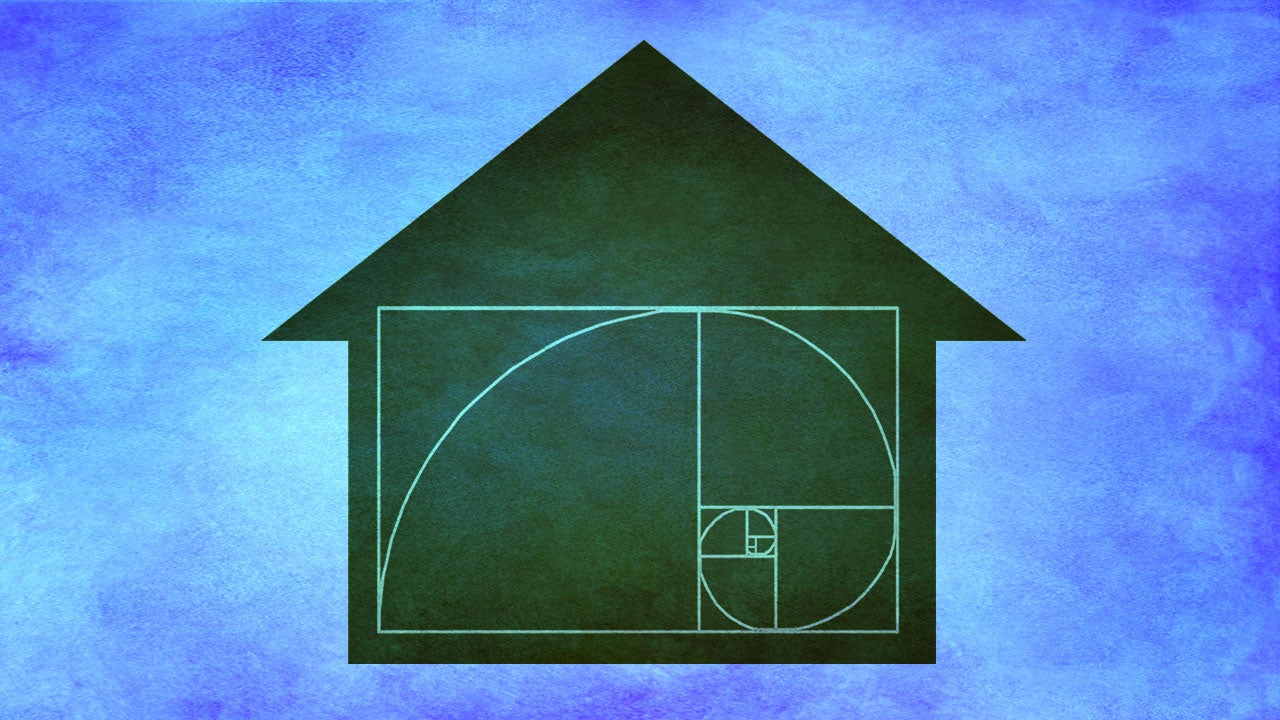
It can also be achieved when the vertical axis that divides two elements isn’t placed directly in the center of the page. In that case, the narrower element should have a “heavier” visual weight than the wider one to achieve a balanced look. There’s much debate over exactly how many principles of design exist. Some designers say 7, others 12, and still others somewhere in between. But when it comes to design principles, numbers aren’t the important thing.
Balance is the equal distribution of visual weight (more specifically, how much any one element attracts the viewer's eye). Balance can be affected by many things, including color, size, number, and negative space. Use proportion to create visual interest by drawing the viewer’s eye to particular visual elements within your designs.
We can imagine a centre point of the design and distribute the elements in a way that creates balance. For instance, consistency ensures that controls remain uniform throughout a design, while proximity suggests related items be grouped. Visual hierarchy places importance on presenting the most vital information at the top. By understanding and applying these principles, designers can create intuitive, aesthetically pleasing, and practical designs that cater to user needs and preferences.
Wallpaper patterns are the most ubiquitous example of patterns that virtually everyone is familiar with. This article, for example, uses repetition in the format of the headings. Each design principle is formatted the same as the others in this section, signaling to readers that they’re all of equal importance and that they’re all related.
Beginning Graphic Design: Fundamentals of Design
Now that you know the basic principles of design, it’s time to put them into practice. The recurrence of an element, color, shape, or form in design is called repetition. It unifies your design elements and gives them a kind of signature look.
Disregarding these principles of design should be done with caution, and only after you have a thorough understanding of them and the purposes they serve. If everything on your page looks like it has the same importance, then nothing appears important. You need to use visual cues to tell people what to pay attention to first, second, third, etc.
Like every story, a design should have a beginning and an end. The way a viewer’s eye travels over the design, the way they “read” it, is told by movement. When you enroll in the course, you get access to all of the courses in the Specialization, and you earn a certificate when you complete the work.
If there is no relationship between your two or more elements, your design will give a messy and unprofessional feel. So, to achieve unity, you should organize all your visual elements and make them work together in a single design composition. By repeating elements, you create a pattern and strengthen your design. Your ship should be balanced to move forward with ease, and the same goes for the visual elements of your design.
We use them to separate and organize space, outline and contour objects, emphasize certain elements, draw attention, and so forth. Before we dive into the central principles of design, let’s explore its basic elements. Asymmetrical designs are different, but the weight is still evenly distributed. The composition is balanced because it calls attention to the right things (in this example, the person's name and company logo).
More importantly, it’s a good idea to think of them as parts of a large system. Making a design too unified, might cause it to seem dull and unappealing. White space has become especially relevant in the last 15 years, as designers started moving away from extremely crammed and disorienting interfaces. Our brains are hardwired to seek patterns and similarities in our surroundings. In design, we can also use alteration and gradation to trigger pattern-like thinking. Given that designs are created by people, we can immediately conclude that an existing contrast is there for a reason.
Shibarium Basic Design Explained by SHIB Team Member: Details - U.Today
Shibarium Basic Design Explained by SHIB Team Member: Details.
Posted: Sun, 27 Aug 2023 07:00:00 GMT [source]
Take the hidden arrow in the FedEx logo, for just one example. As already mentioned, there is no real consensus in the design community about what the main principles of design actually are. That said, the following twelve principles of visual design are those mentioned most often in articles and books on the subject. Search for “principles of design” and Google will return results for articles that include from five to more than a dozen individual visual design principles. Even the articles that agree on the number don’t necessarily agree on which ones should be included in that number. Some designs make use of negative space to create interesting visual effects.
Color is not traditionally classified as a principle of design in art. However, color is essential in creating visual interest and evoking emotions in design. When it comes to design, color is one of the first things that both users and designers notice. It can function as a standalone element or serve as a backdrop for others, such as lines, forms, textures, or typography.


No comments:
Post a Comment